From surgery
to the auditorium.
We bring a compact unit with cameras, video capture and its own internet to where the action is. The room watches in real time, asks questions, and the answer comes back live.
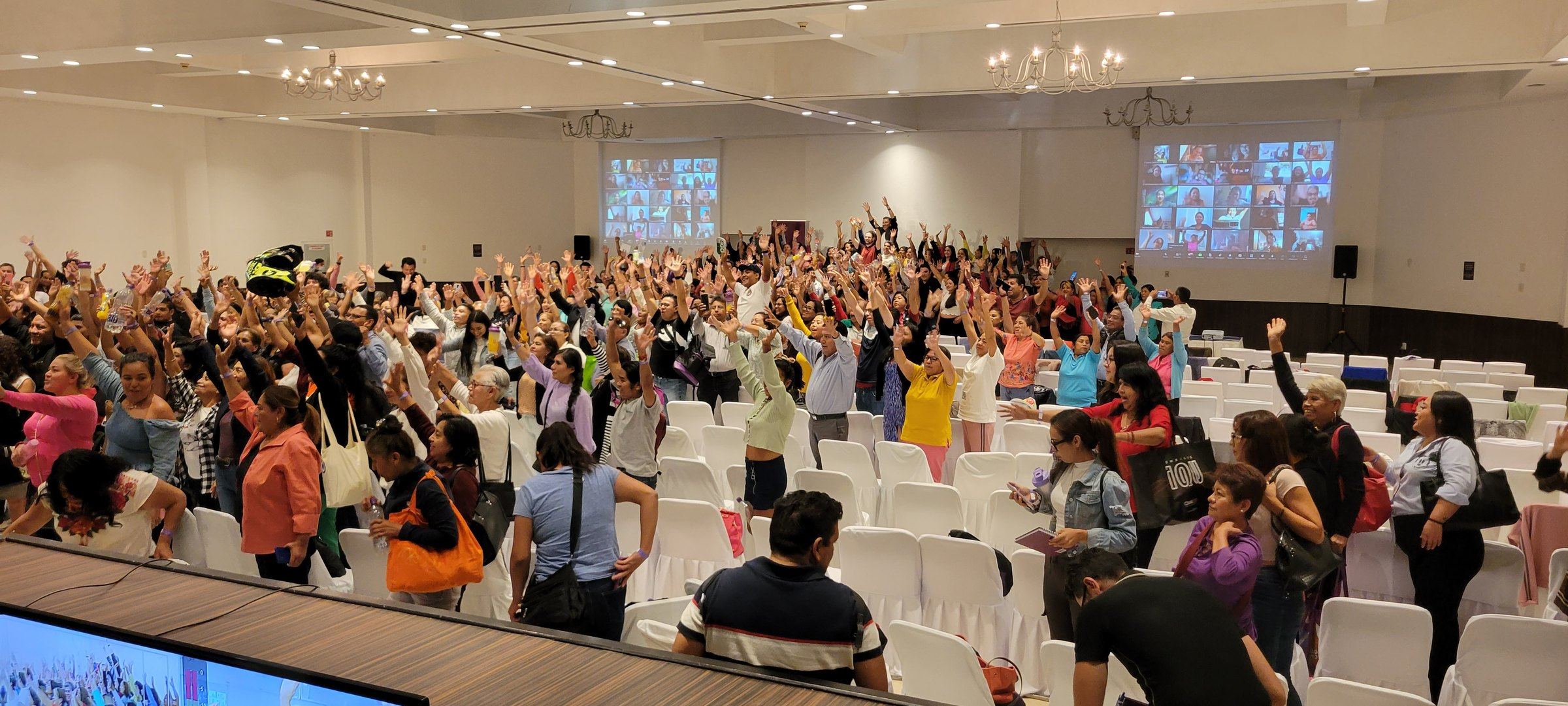
The most interesting part of the program is rarely on stage.
An operating room can’t move into a ballroom. A speaker can’t always travel. A plant won’t fit in an auditorium. And the local network is usually locked down or overloaded.
Locked-down networks
Hospitals and plants restrict their internet. Getting access can take weeks.
One-way communication
Watching isn’t the same as taking part. Without a return path, the room can’t ask questions.
No second chances
A live procedure or demonstration can’t be repeated if the signal drops.
Video to the room. Questions back.
At the remote end, the unit captures cameras, the feed from any device with a video output and the speaker’s audio. Everything travels over our own internet to the production server in the room. Along the same path, the audience’s questions travel back.
- 01
We capture on site
Cameras, the video feed from any device and the speaker’s audio.
- 02
We link both ways
Over our own internet, without asking for access to the local network.
- 03
The room takes part
The audience watches, asks and hears the answer right away.
Wherever there’s something the room needs to see.
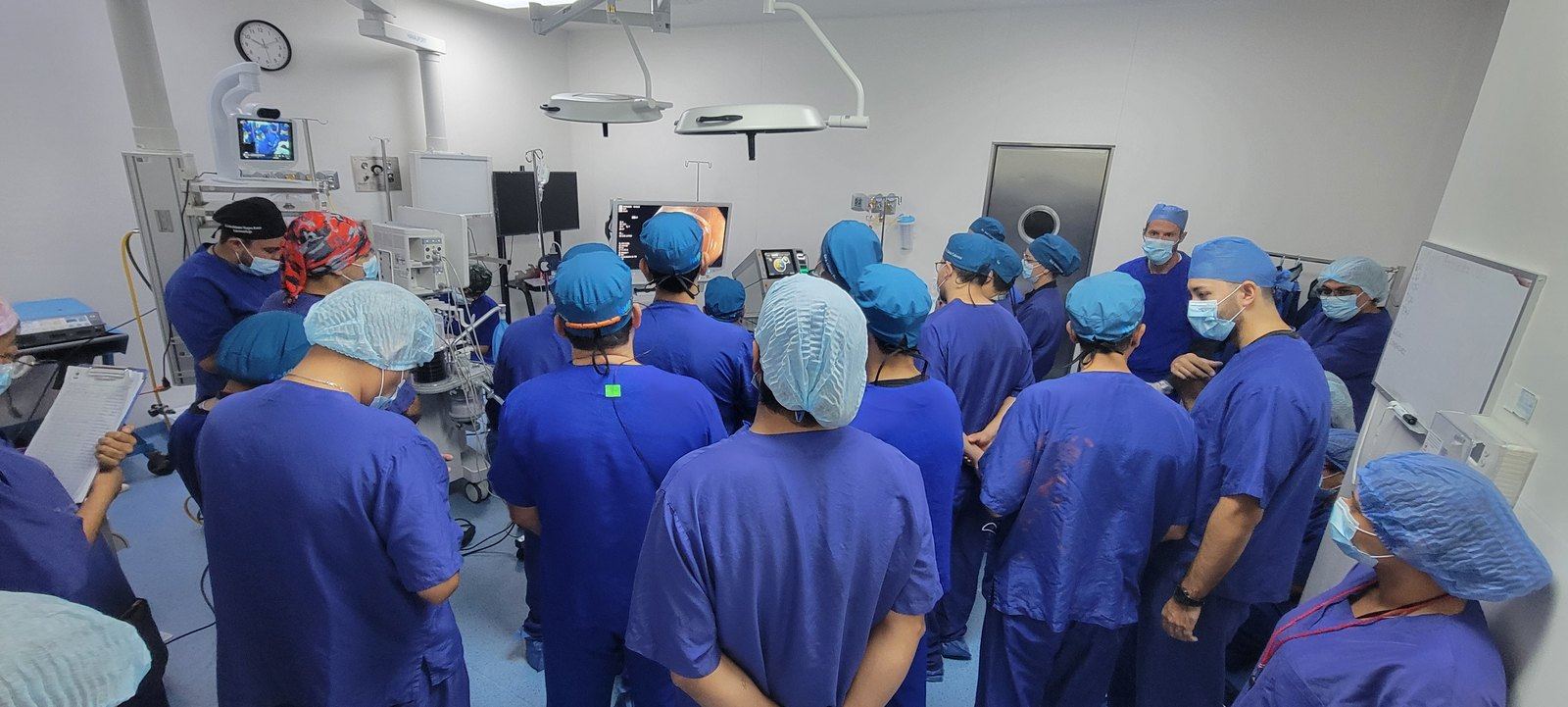
Operating rooms
Live procedures for medical conferences, with the surgeon answering the room.
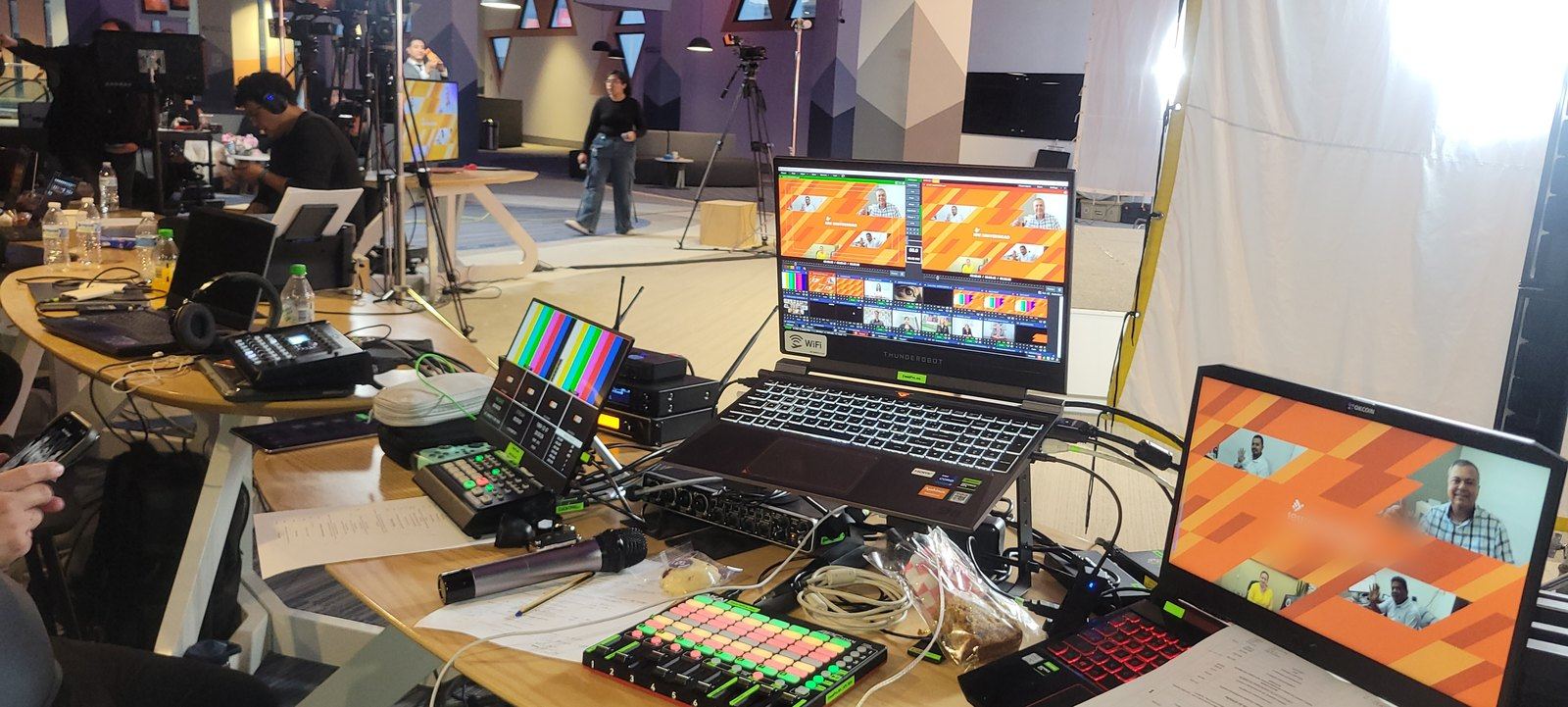
Remote participants
Speakers from another city or country brought into the program as if they were on stage.
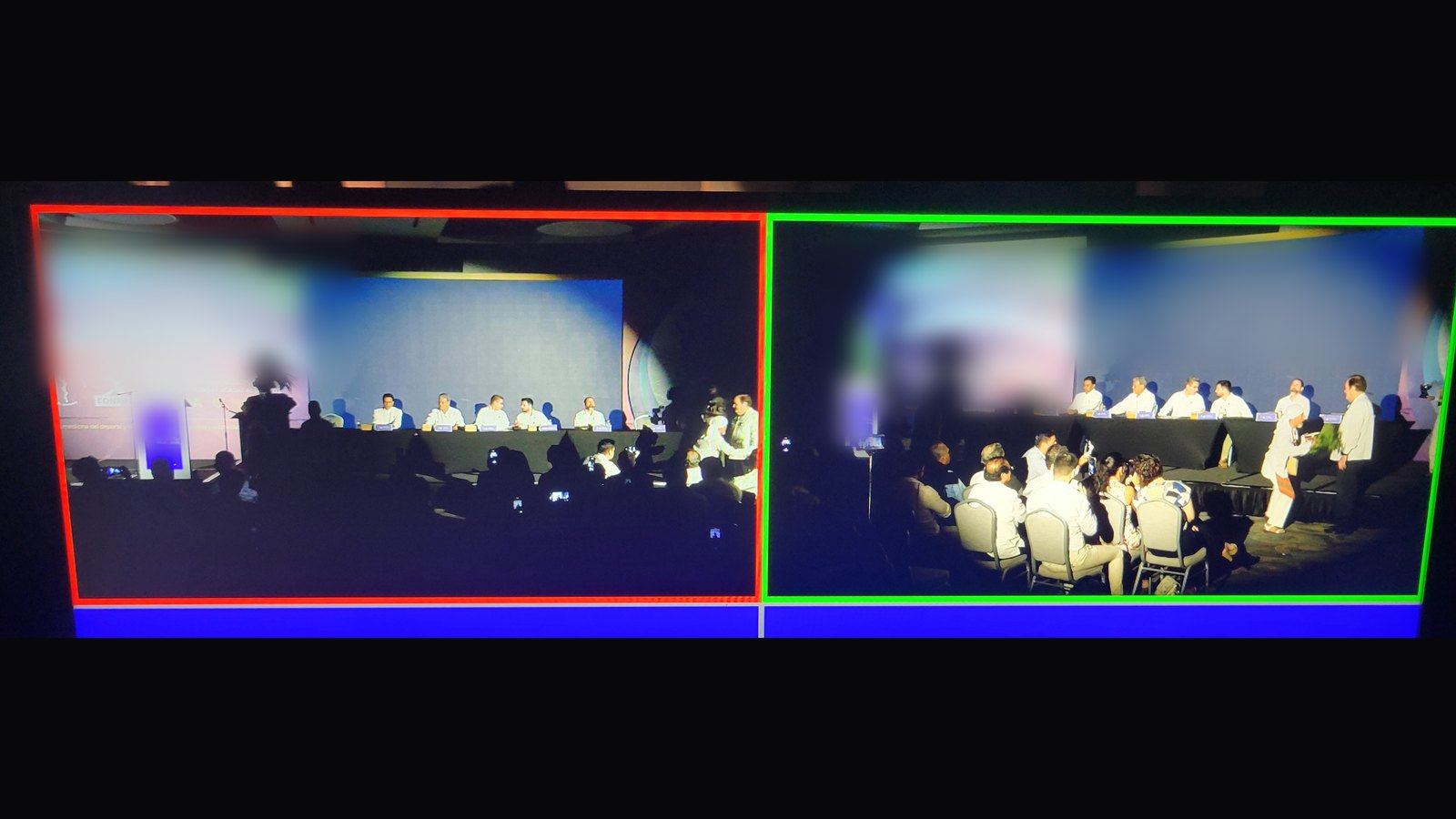
Simultaneous venues
Several rooms or cities connected in a single program.
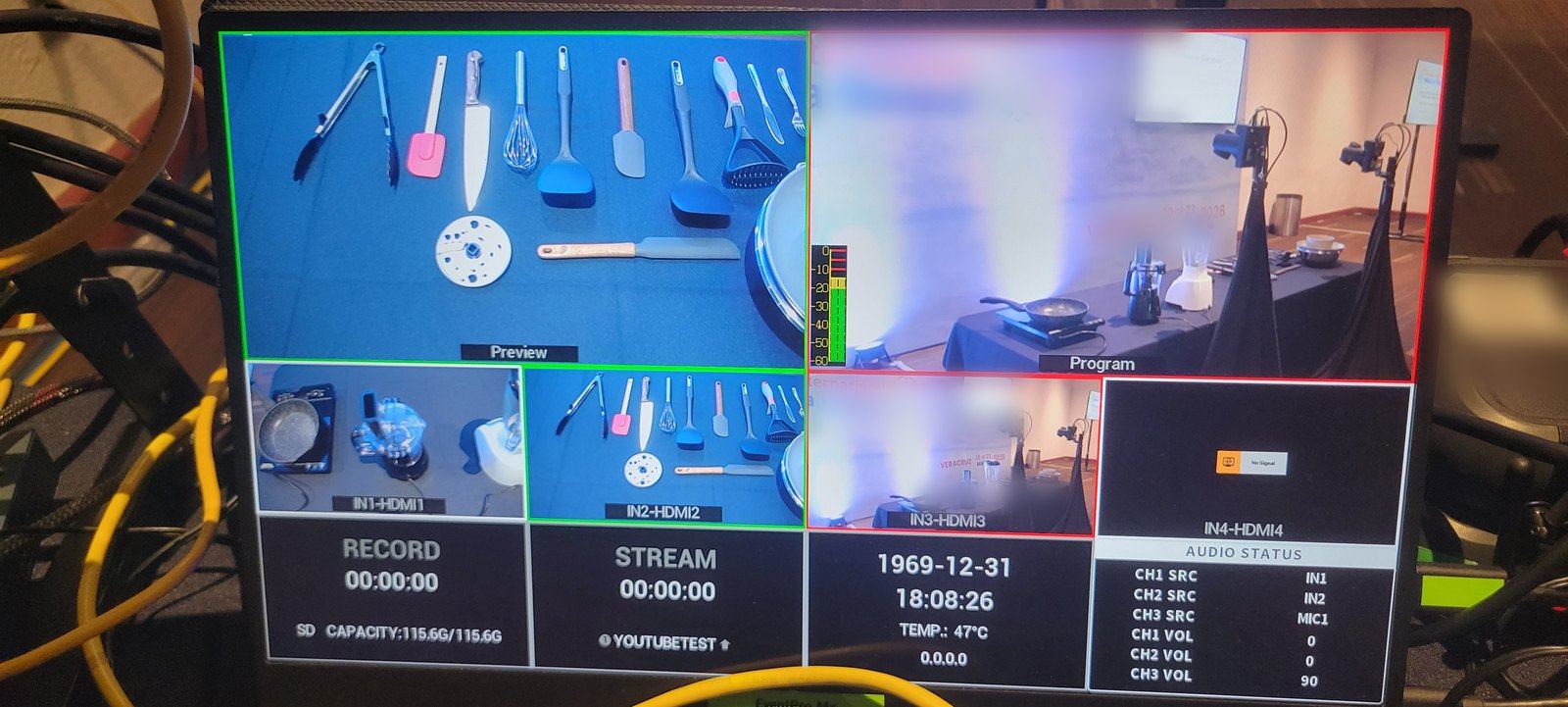
Workshops and labs
Hands-on demonstrations everyone can see up close, from any seat.
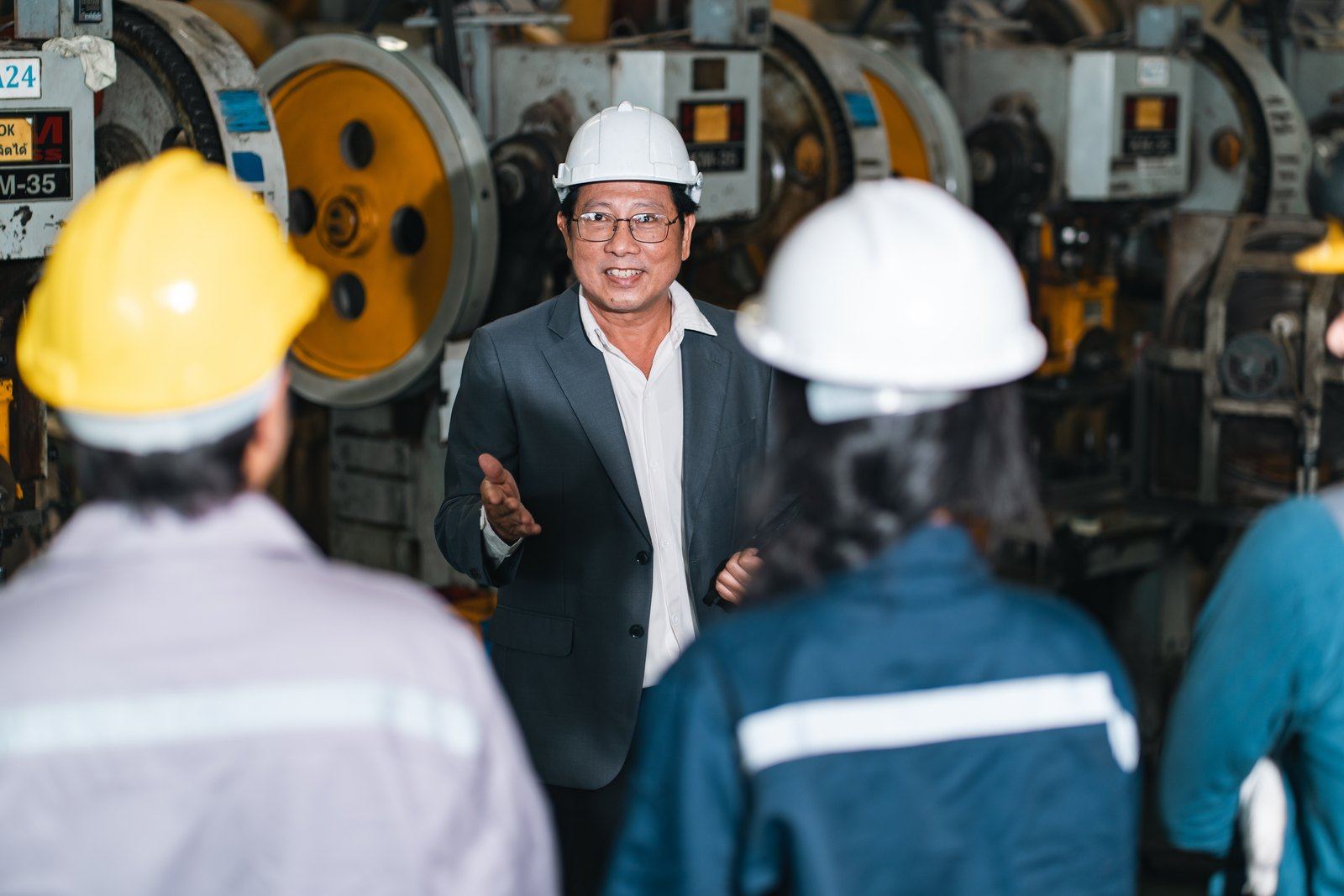
Plants and branches
Tours, launches and messages from where the operation happens.
Have another use case?
If there’s something the room needs to see and it can’t be brought there, we’ll work it out with you.
Message us →A clinical setting calls for more care than a stage.
We adapt to the rules of the hospital and the medical team. The broadcast never comes before the procedure.
- Outside the sterile fieldCameras and gear go wherever the medical staff indicate.
- No reliance on the hospital networkWe bring our own internet; no access requests needed.
- Return audio for the surgeonThey hear the room’s questions without interrupting their work.
- Patient privacyFraming designed to show the procedure, not the person.
- Full test before the eventLink, audio and return path are tested end to end before going live.
- Cameras
- remote-controlled PTZ
- Video capture
- 1 to 2 external feeds
- Link
- two-way · vMix Call
- Internet
- our own bonding
- Audio
- headset with return
- In the room
- production server
Frequently asked questions
Do we need the hospital’s or the venue’s network?
No. The unit brings its own internet. If the venue offers a network, we can add it as a backup.
Can the remote speaker hear the questions?
Yes. They wear a headset with return audio: they hear the room and answer live.
How far away can the remote site be?
Anywhere from the next room to another city. What matters is coverage at the site, and we check that beforehand.
How much does it cost?
It depends on the distance, the duration and how many points are linked. Send us the details and we’ll reply with a proposal.